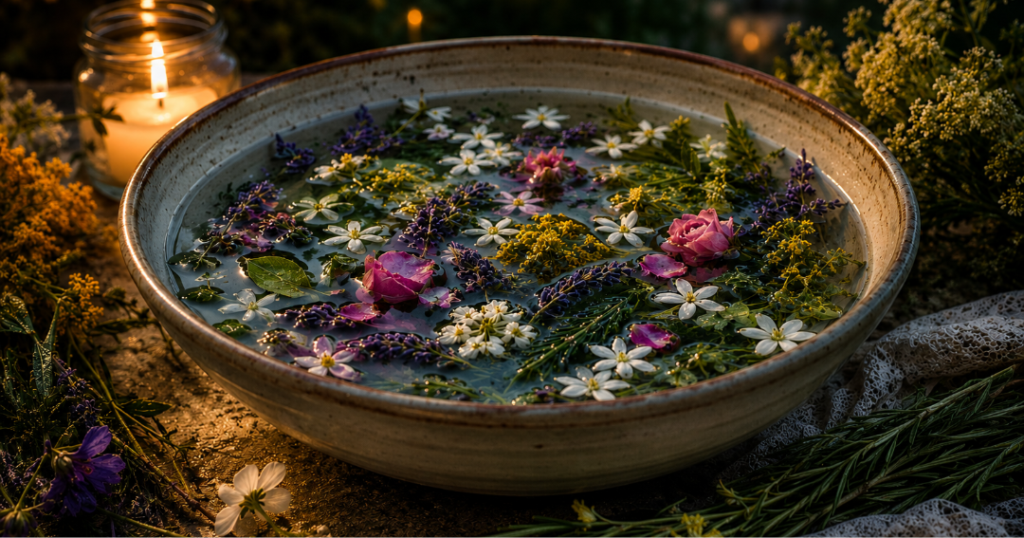
Among the many folk traditions that characterise rural Italy, few are as fascinating as St. John’s Water. Every year, on the night between 23 and 24 June, many families still prepare a bowl of water filled with flowers and herbs gathered from meadows and gardens, leaving it outdoors until sunrise.
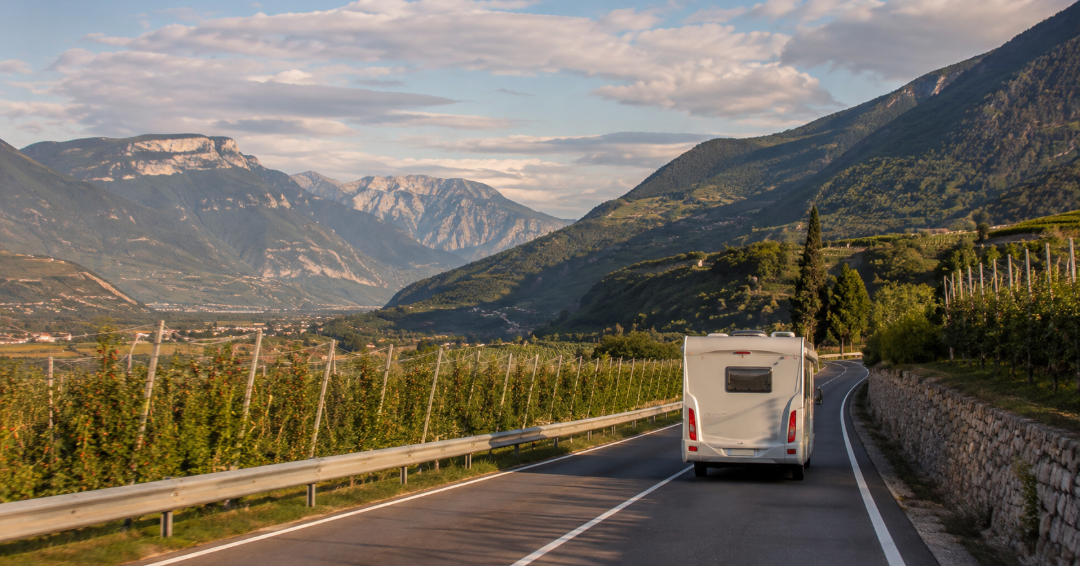
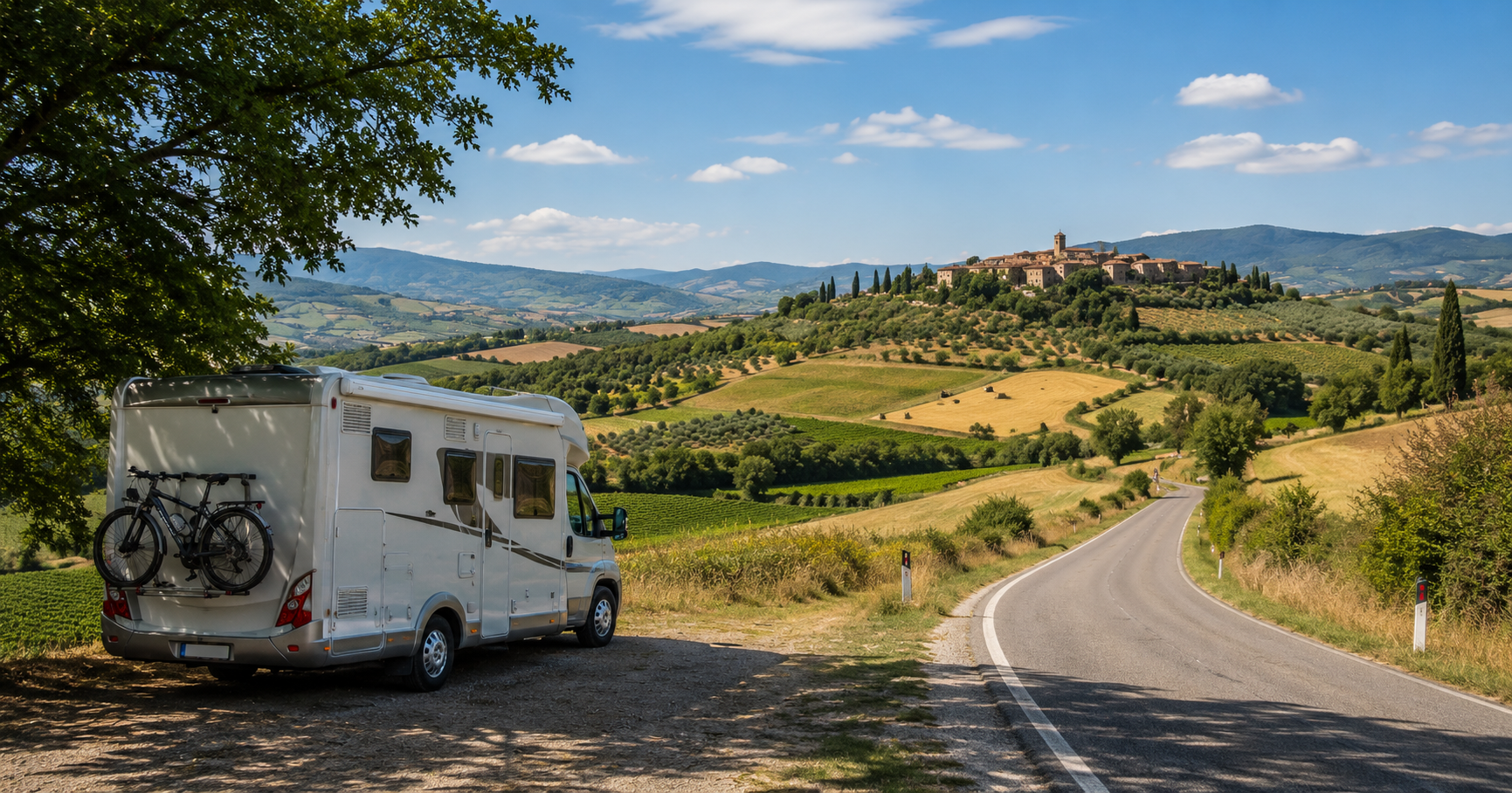
For those travelling by motorhome, campervan or caravan, June is one of the best times to discover Italy’s most authentic side. The days are long, the countryside is at its most beautiful, and many traditional rural customs return to the spotlight during this period.
Even today, Italy’s farming communities preserve an extraordinary cultural heritage built on generations of knowledge, careful observation of nature and respect for the rhythm of the seasons. Many of these traditions survive thanks to the people who continue to live and work in the countryside.
During your motorhome tours and road trips across Italy, you may come across stories, local festivals and customs whose origins date back hundreds, sometimes thousands, of years. St. John’s Water is one of them.
And it is often during a stopover at a farm that you have the opportunity to hear these stories firsthand, discovering a side of Italy that rarely appears in traditional tourist itineraries.
What Is St. John’s Water?
St. John’s Water (Acqua di San Giovanni) is one of the most widespread and beloved traditions of rural Italy. On the evening of 23 June, the eve of the feast of Saint John the Baptist, people gather wildflowers and aromatic herbs at the peak of their bloom and place them in a bowl of water left outdoors throughout the night. Among the most commonly used plants are St. John’s Wort, traditionally known in Italy as the “herb of Saint John”, together with lavender, rosemary, sage, chamomile, mallow, mint, roses and cornflowers, all plants historically associated with protection, wellbeing and good fortune.
According to popular belief, the dew that forms during the night of 23–24 June carries special energy because of its proximity to the summer solstice, the time of year when nature reaches the height of its strength and fertility. For this reason, the water left outdoors was traditionally considered a precious source of prosperity, health and abundance. On the morning of 24 June, people would wash their face and hands with this fragrant water as a symbolic act of purification and a wish for good fortune in the months ahead.
The origins of this custom date back long before Christianity. Across Europe, many ancient communities celebrated the summer solstice with rituals dedicated to the sun, the fertility of the fields and the protection of farming communities. With the spread of Christianity, many of these traditions gradually became associated with Saint John the Baptist, whose feast day falls on 24 June. Nevertheless, the ritual has retained its deep connection with nature and the agricultural world.
Over the centuries, countless legends and folk beliefs have grown around St. John’s Night. In many Italian regions it was considered a magical night during which medicinal herbs gained particularly powerful protective properties. Bonfires were lit in the fields to ward off negative influences, medicinal plants were gathered and preserved for the year ahead, and people observed natural signs in an attempt to predict future harvests and seasonal changes.
The Connection Between the Summer Solstice and Rural Life
St. John’s Night takes place just a few days after the summer solstice, when daylight reaches its annual peak.
For farming communities, this period was especially significant. Fields were thriving, vegetable gardens were producing abundantly and preparations for the major summer harvests were underway.
For this reason, many folk traditions attributed special powers to this night, associating it with fertility, crop protection and abundance.
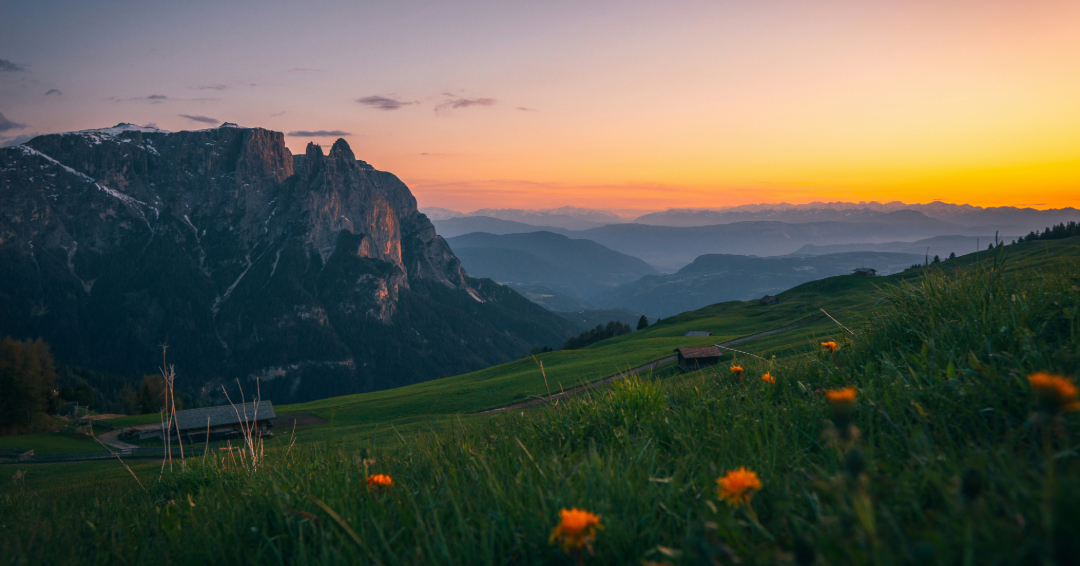
Even today, if you travel through the Italian countryside in June, you will notice nature at the height of its vitality. Golden wheat fields, flourishing vineyards, flower-filled meadows and lush forests accompany your journeys across Italy, creating spectacular landscapes that perfectly reflect the spirit of this ancient celebration.
Rural Traditions Still Alive Today: A Heritage Shared Across Italy
From north to south, Italy preserves an extraordinary wealth of rural traditions that, despite varying from region to region, all reflect the same deep connection between people and nature.
From customs linked to mountain pastures and the gathering of medicinal herbs in the Alpine regions, to agricultural rituals and folklore across the Po Valley, and the summer celebrations found throughout central and southern Italy, many traditions continue to be passed down from generation to generation. Yet we often encounter them in everyday life without even realising it. Collecting aromatic herbs at certain times of the year, preparing herbal infusions and traditional liqueurs, keeping sprigs of bay leaves or rosemary at home, using St. John’s Wort in traditional remedies, or observing nature to predict the weather are all practices deeply rooted in rural culture.
Throughout the Italian countryside, this knowledge continues to be preserved and shared, offering curious travellers the opportunity to discover an authentic Italy where the relationship between the land, the seasons and local traditions remains an important part of everyday life.
Conclusion
St. John’s Water is much more than a simple folk ritual. It is a living testimony to the profound bond that has connected farming communities to the rhythms of nature for centuries.
During your travels across Italy by motorhome, campervan or caravan, you may encounter many similar traditions. They are small pieces of history that reveal a country shaped by diverse landscapes, rich cultural heritage and customs passed down through generations.
With Agricamper, you can experience this rural heritage firsthand through authentic stopovers across the Italian countryside. You will discover lesser-known places, connect with local farming communities and enjoy experiences that are often far removed from mainstream tourism.
Download the Agricamper app and try the free Demo version. You can explore the map, see where participating farms are located and start planning your next motorhome adventure. And when you’re ready, purchase your membership to unlock all features and enjoy unlimited 24-hour stopovers throughout Italy.
Rural Italy is waiting for you, one stop at a time.