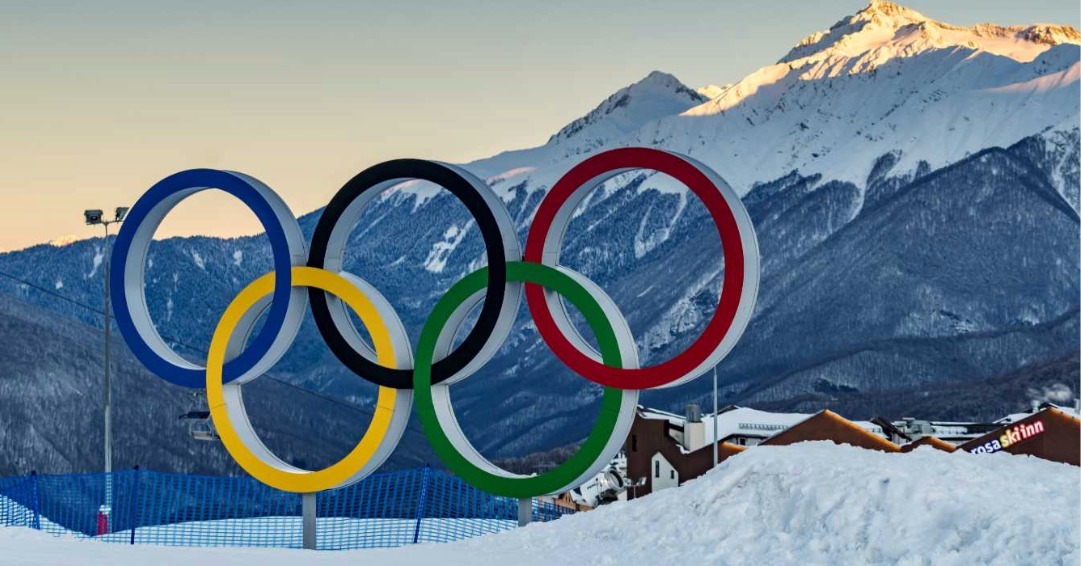
The Milano–Cortina 2026 Winter Olympics are getting closer, and Italy is preparing to welcome travelers from all over the world. If you travel by motorhome, campervan, or caravan, this event is a unique opportunity to combine sport, nature, and territorial discovery while maintaining the freedom that only road travel can offer.
Following the Olympics on four wheels means choosing a slower pace, stopping where the landscape invites you to breathe, alternating competitions with time in nature, and experiencing a more authentic Italy. With Agricamper, you can plan your journey with the support of free 24-hour stopovers at farms across Italy—ideal for breaking up travel days and discovering lesser-known areas. Download the app and try the free demo version!
In this article, you will find ideas and inspiration to experience the Milano–Cortina Winter Olympics in an itinerant way, always with the spirit of free travel that unites motorhome travelers and explorers.
Milano–Cortina 2026 Winter Olympics
A widespread event across cities, mountains, and Alpine valleys
The Milano–Cortina 2026 Winter Olympics, scheduled from February 6 to 22, will not take place in a single location. Instead, they unfold as a journey through diverse and complementary territories. Lombardy and Veneto become the stage for an event that crosses cities, Alpine valleys, mountain passes, and iconic winter-sports destinations, creating a “distributed” Olympics that stretches across hundreds of kilometers.
This format is particularly well suited to those traveling by motorhome or caravan. You are not required to stay in one place: you can follow the competitions that interest you most, move freely from one location to another, and build a tailor-made itinerary day by day.
You can alternate intense days focused on competitions with moments of rest and relaxation, choosing stopovers at farms, agritourism estates, or wineries, always in line with the Agricamper model.
Milan represents the urban heart of the Olympics, hosting ceremonies and ice-sport competitions while offering endless cultural opportunities. Cortina d’Ampezzo, meanwhile, returns to the spotlight after the 1956 Olympics, reaffirming its role as one of the capitals of the Alpine world. Alongside these two icons, destinations such as Bormio and Livigno, Anterselva, and Val di Fiemme emerge, together with other Alpine areas that complete the Olympic mosaic with striking natural scenery.
Olympic Milan
Milan is the ideal starting point for experiencing the Milano–Cortina 2026 Winter Olympics in an itinerant way. Although it is not a mountain destination, it is where sport, culture, and mobility intersect, offering a perfect balance between major events and urban discovery.
Between competitions, you can enjoy urban excursions that go beyond the most tourist-heavy routes, experiencing the city on foot while using your vehicle as a mobile base. The Milan Cathedral is an unmissable stop—not only for its architectural grandeur, but also for its panoramic terraces overlooking the city. From there, a walk through the Galleria Vittorio Emanuele II naturally leads toward the historic center, while the Sforza Castle tells the story of Renaissance Milan.
Just outside the complex, Sempione Park offers a green space perfect for slowing down and observing the rhythm of the city around you.
Milan is also discovered neighborhood by neighborhood. Brera invites you to wander through historic streets, hidden courtyards, and the Brera Art Gallery, one of the city’s main artistic hubs. Moving to other areas, you can explore a more contemporary and creative Milan: the Museum of the 20th Century focuses on Italian art of the last century, while Hangar Bicocca hosts large-scale installations and exhibitions within converted industrial spaces.
One of the most interesting aspects for those traveling by motorhome is the relationship between Milan and the surrounding nature. The city is a true gateway to Lombardy’s green areas. Within minutes by car, you can reach Parco Nord Milano or the Groane Park, ideal for easy walks, outdoor breaks, and moments of decompression before heading into the mountains. The Martesana Canal also offers a flat and relaxing route, perfect for walking or cycling.
From the plains to the mountains
Leaving Milan behind, the journey toward the Alpine venues of the Milano–Cortina 2026 Winter Olympics marks a clear shift in rhythm and scenery. The plains gradually give way to the first hills, roads begin to follow the contours of the land, and your gaze lifts toward the mountains.
Traveling through Lombardy offers a surprising variety of landscapes within just a few kilometers. After the urban area, you enter more open and greener zones, where traffic thins out and the journey naturally slows down.
As you approach the pre-Alpine lakes, such as Lake Como or Lake Iseo, the scenery becomes increasingly dramatic. Mountains are reflected in the water, villages cling to the slopes, and panoramic roads invite you to stop—even if just for a short walk or a breath of fresh air.
Continuing north, the Valtellina represents a key hub for the Olympics and, at the same time, an ideal destination for slow travel. Here you can alternate visits to Olympic venues with walks along valley floors, panoramic trails, and moments of relaxation immersed in the mountain landscape.
Destinations such as Bormio and Livigno are not only competition sites, but also starting points for exploring the surrounding Alpine environment. The trails of the Stelvio National Park, the side valleys, and wide natural spaces offer opportunities to experience the mountains far from the sporting facilities.
Towards Veneto
Continuing eastward, the transition from Lombardy to Veneto marks one of the most evocative moments of the Olympic itinerary. The mountains change shape, profiles become more vertical, and the Dolomites begin to assert their unmistakable identity. Traveling by motorhome, campervan, or caravan, this stretch of road is not just a transfer, but a scenic experience that naturally leads toward the Milano–Cortina 2026 Olympic venues.
The route leads into the heart of the Eastern Alps, where Alpine passes become true observation points over the landscape. Roads wind through wide valleys and dense forests, offering countless opportunities to stop, breathe, and take in the surroundings.
Cortina d’Ampezzo is one of the focal points of the event and one of the most iconic destinations for road travelers. Here you will find an elegant Alpine town framed by some of the most famous peaks of the Dolomites. Beyond the competitions, you can explore the area through panoramic walks, trails at the foot of the mountains, and natural viewpoints offering spectacular scenery in every season.
Nearby, Lake Misurina offers an open, light-filled environment, ideal for relaxed walks with views of the Tre Cime di Lavaredo. Dolomite passes such as Passo Giau and Passo Falzarego connect different valleys and allow you to experience the journey as a sequence of ever-changing panoramas, without the need for long daily drives.
Descending toward the Val di Fiemme, the landscape softens while maintaining a strong mountain identity. Historically linked to Nordic skiing, this valley offers forests, flat trails, and nature paths suitable even for those seeking quieter activities.
Traveling through Veneto during the Olympics also means entering regions where the mountains are an integral part of everyday life. Villages, trails, and landscapes tell the story of a deep relationship between people and the Alpine environment.
The flavors of the Olympics, between tradition and territory
Traveling during the Milano–Cortina 2026 Winter Olympics is not only about sport and spectacular landscapes, but also about discovering the gastronomic traditions of the regions you pass through. Between Lombardy and Veneto, mountain cuisine is rooted in simple ingredients, designed to sustain life at altitude and cope with harsh climates. These dishes tell the stories of valleys, pastures, and seasons.
In Lombardy, you can discover specialties such as pizzoccheri, polenta served with local cheeses, sciatt, and bresaola—products that reflect a deep connection to the Alpine environment and rural traditions.
Moving toward Veneto, the cuisine changes nuance but retains the same soul. Here you will find canederli, hearty soups, polenta in many variations, and dishes based on alpine dairy products. Each valley offers slightly different interpretations, making the culinary journey rich and varied even over short distances.
During the Olympics, local cuisine also becomes a meeting point for visitors from different countries. Food and travel naturally intertwine. Every stop brings new flavors, and every valley tells its story through its dishes. It is a simple and authentic way to experience the Winter Olympics not only as spectators, but as conscious travelers, attentive to the land and its traditions.
Sport, nature, and culture
Following the Milano–Cortina 2026 Winter Olympics by motorhome, campervan, or caravan means going beyond the competitions and turning the sporting event into a complete travel experience. Between one event and the next, you have the opportunity to explore diverse territories and experience the mountains in a more authentic way, combining sport, nature, and culture into a single itinerary.
Nature is the first protagonist. Even for those who do not practice winter sports, the Alpine areas offer many accessible and engaging activities. Snowshoeing is a great example: it allows you to walk along snowy trails, cross silent forests, and reach panoramic viewpoints without requiring technical skills.
Alongside nature, sport becomes a shared language that connects visitors and territories. You can attend competitions, but also observe how winter sports are part of everyday life in Alpine valleys. Cross-country ski tracks, sports facilities, and equipped routes coexist with trails, forests, and villages, creating a balance that reflects the history and identity of these regions.
The cultural dimension completes the experience. Mountain museums, scattered throughout Lombardy and Veneto, offer valuable insights into the relationship between humans and the Alpine environment. Exhibitions dedicated to geology, life at altitude, local traditions, and the evolution of sport add depth to the journey, turning each stop into an opportunity for learning.
Alpine villages also deserve time and attention. Walking through historic centers, observing traditional architecture, and visiting churches and small local museums allows you to connect with a mountain culture that is lived year-round, not only during major events.
Conclusion
The Milano–Cortina 2026 Winter Olympics are much more than a sporting event. For those traveling by motorhome, campervan, or caravan, they become a perfect excuse to explore Italy—between art cities, mountains, and countryside.
Following the competitions, discovering new territories, stopping for a nature-based overnight stay, and traveling at your own pace is a privilege that only road travel can offer. Lombardy and Veneto open up as a vast, interconnected itinerary rich in landscapes, trails, museums, and traditions.
Whether you are already planning your route or simply feeling curious, the first step is easy.
👉 Download the Agricamper app and try the free demo version to explore its features, browse the map, and see where you can enjoy a free overnight stop.
👉 Purchase the Agricamper membership to access unlimited 24-hour stopovers throughout Italy and experience the 2026 Winter Olympics with the freedom that only itinerant travel can provide.